
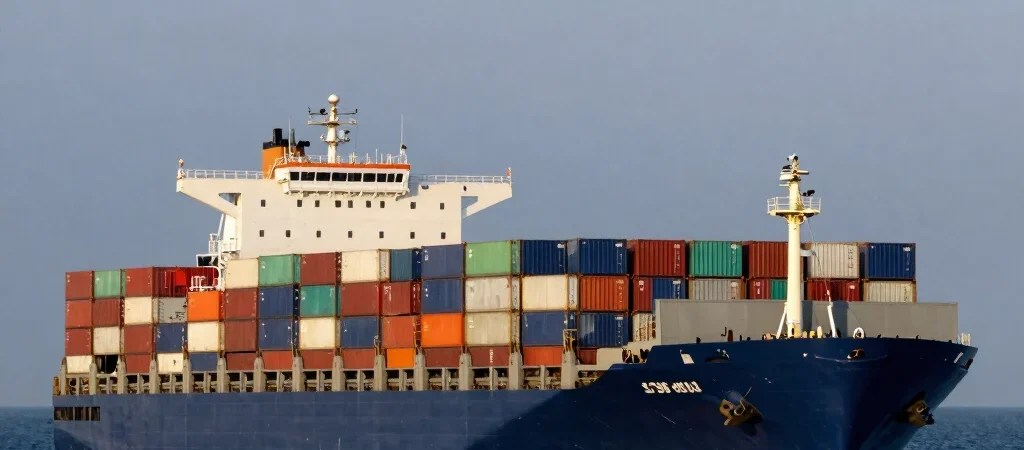
Developing story: global shipping consortia are restructuring vessel schedules in response to newly implemented maritime safety directives and fuel efficiency standards. The strategic adjustments come after weeks of multilateral negotiations aimed at securing vital commercial transit bottlenecks. Logistics operators report that vessel transit times will temporarily extend across several primary ocean corridors.
Infrastructure Investments at Key Commercial Ports
Terminal operators at major deep-water ports are accelerating equipment modernization projects to prevent dockside congestion. Increased automated container handling and expanded rail connections are being prioritized to absorb irregular vessel arrival schedules. Port authorities project that throughput capacity will stabilize as berth management software upgrades reach completion.
Navigating Environmental Protocols and Fuel Mandates
Compliance with international low-carbon marine fuel standards is driving operational changes across commercial fleets. While retrofitting legacy vessels requires substantial capital investment, ocean carriers adopting alternative fuels are securing favorable long-term charter agreements with multinational retailers. Industry regulators emphasize that environmental enforcement will remain strict.
Key Takeaways for International Freight Strategy
For enterprise supply chain managers, flexibility is replacing just-in-time inventory reliance as a operational priority. Companies that diversify routing options and maintain safety inventory stock near key consumption markets are demonstrating greater resilience against global transit disruptions.